Meyer Lemon Pudding Tarts
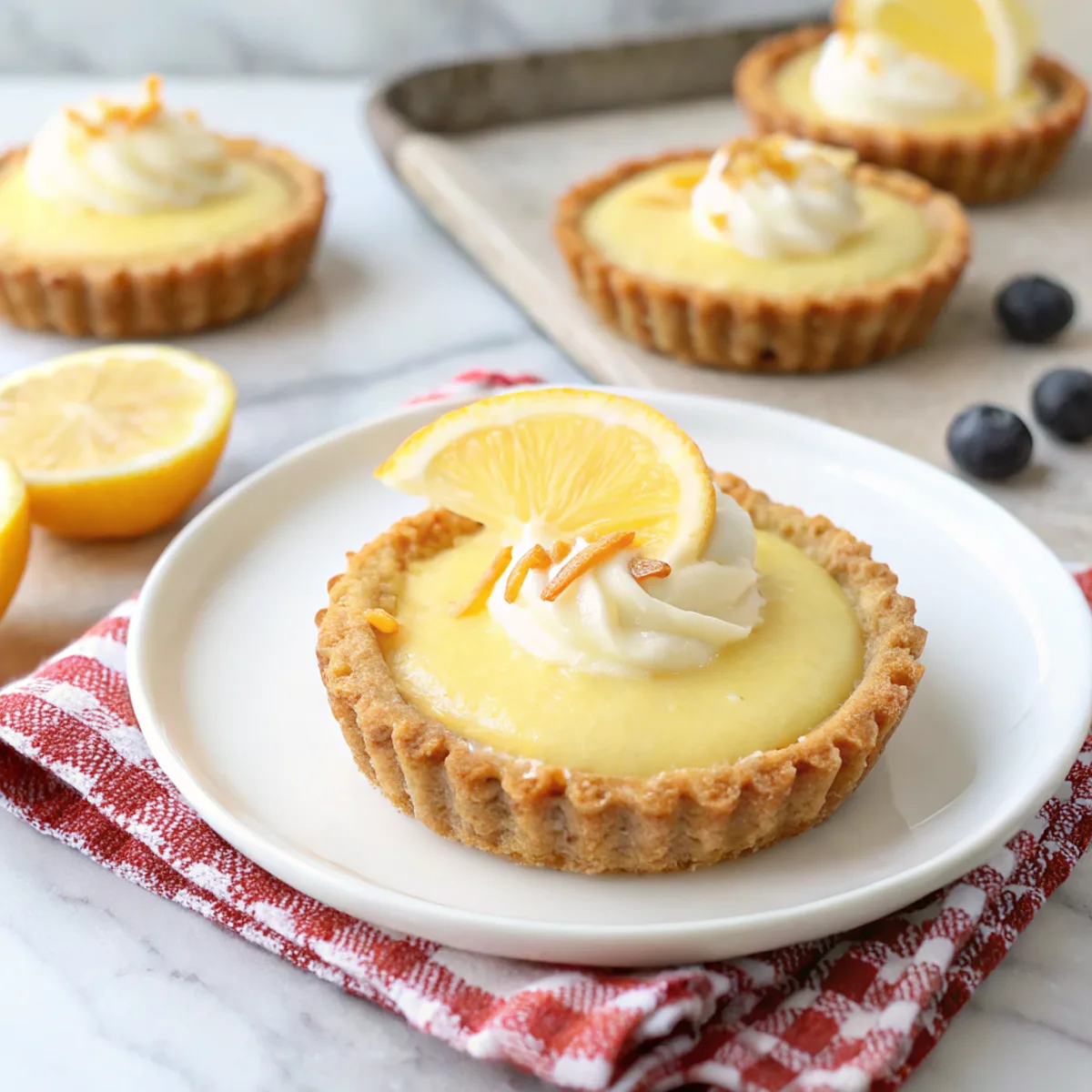
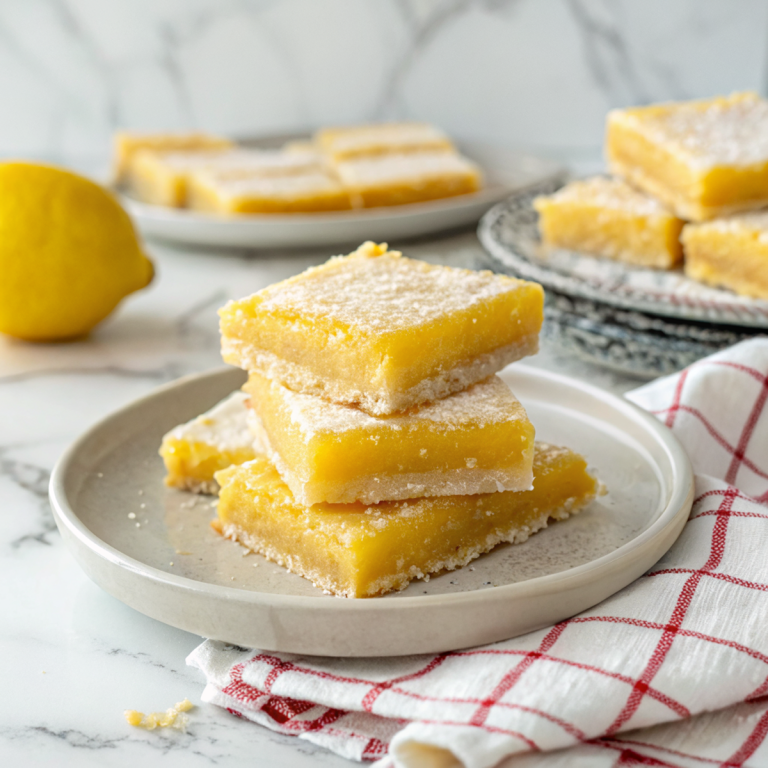
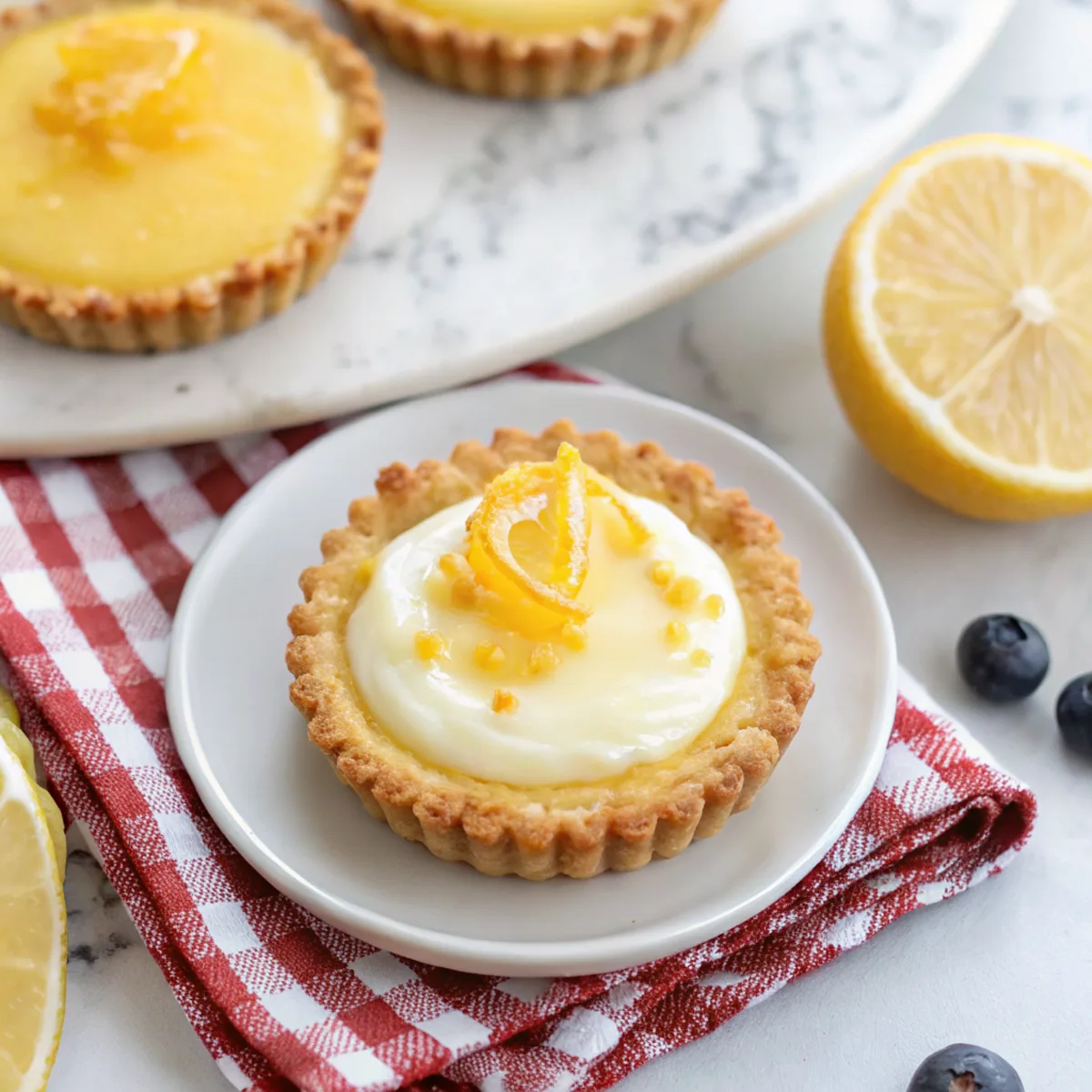
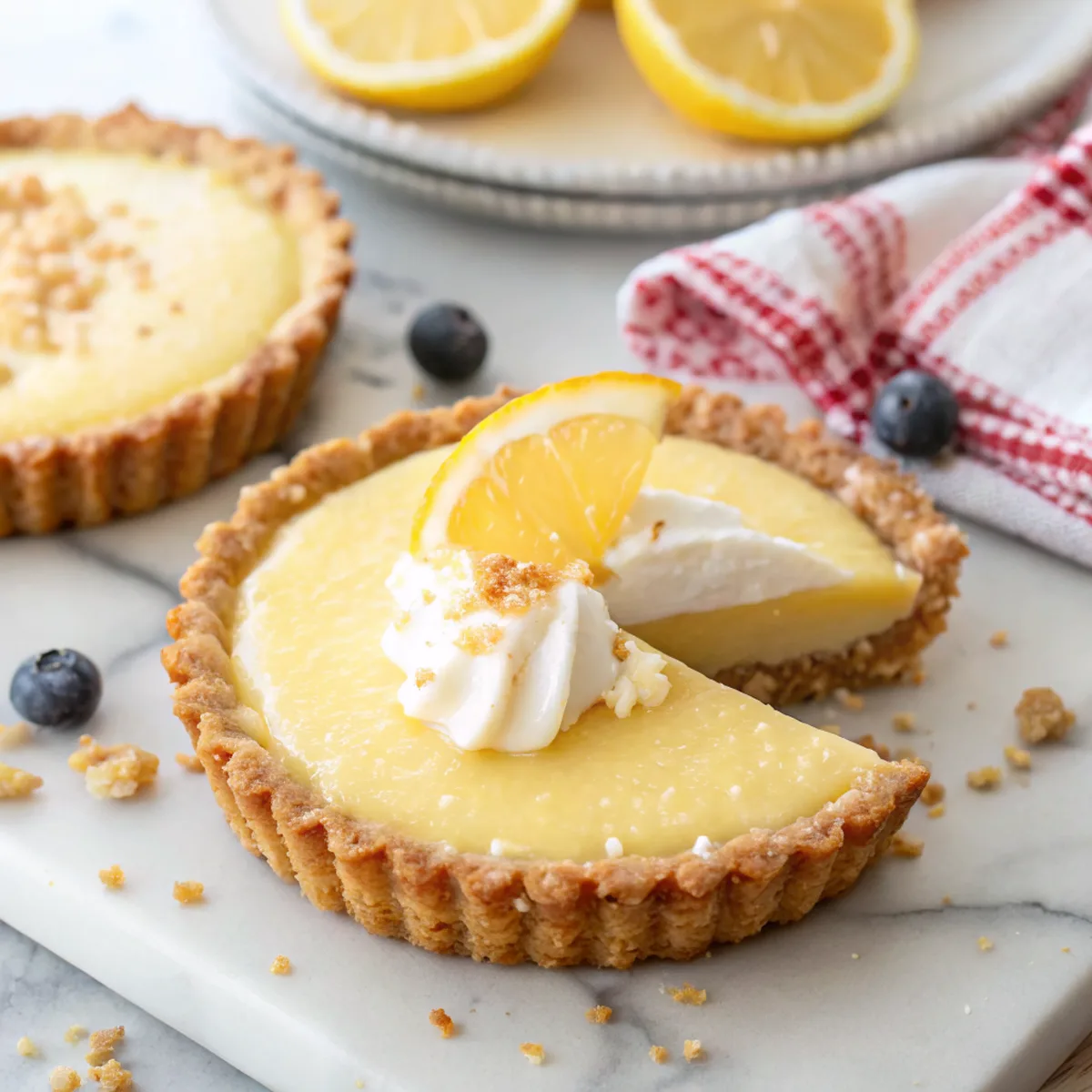
These Meyer Lemon Pudding Tarts are small, bright custard tarts with a silky, slightly tangy lemon pudding set in a crisp tart shell. The Meyer lemons give a floral sweetness compared with regular lemons, so the filling is fragrant and smooth rather than aggressively tart — a nice balance of creaminess and citrus brightness.
They come together without fuss: a short stovetop curd that’s strained and poured into prebaked tart shells, then chilled to set. They’re great to make a day ahead and are easy to scale into mini tarts or one larger tart if you prefer.
Why This Meyer Lemon Pudding Tarts Works
1. The Meyer lemon reduces harsh acidity and adds a floral, almost sweet citrus note that pairs well with a buttery crust.
2. Cooking the filling slowly and straining it produces a silky, lump-free pudding texture.
3. Prebaked tart shells keep the bottoms crisp so the custard doesn’t make them soggy.
4. The recipe can be mostly made ahead — curd can be cooked and chilled before filling shells for easier assembly.
Ingredients
A short list of what matters and why.
MORE OF OUR FAVORITE…
– Meyer lemons: Use fresh juice and zest for the best flavor; Meyer lemons are sweeter and less acidic than regular lemons.
– Eggs (whole or yolks): Provide structure and creaminess — yolks give a richer, silkier custard while whole eggs set a bit firmer.
– Sugar: Balances the citrus; adjust slightly if your lemons are very sweet or very tart.
– Butter: Adds sheen and silkiness to the curd; room temperature butter incorporated off heat gives a glossy finish.
– Cornstarch or flour (optional): A small amount helps stabilize the pudding for a firmer set if you prefer sliceable tarts.
– Tart shells (homemade or store-bought): Blind-baked shells give the best texture — sweet shortcrust or pâte sucrée works well.
– Salt & vanilla: A pinch of salt brightens flavors; a splash of vanilla rounds out the lemon.
Substitutions and Variations
– Use regular lemons if you don’t have Meyers — expect a brighter, more tart flavor and consider adding a touch more sugar.
– Replace part of the butter with a tablespoon of cream for a slightly lighter, less glossy curd.
– Use only egg yolks for a richer, custardy filling; add a bit more cornstarch if it feels too soft.
– Make mini tartlets in a muffin tin — baking time for shells is shorter and curd sets faster.
– For a gluten-free crust, swap the shortcrust for an almond flour crust; texture will be denser and nuttier.
– Top with lightly torched meringue for a lemon meringue-style tart — adds sweetness and a contrasting texture.
How to Make Meyer Lemon Pudding Tarts
This is a summary — the full recipe card has exact amounts and timings.
1. Preheat oven and blind-bake tart shells until golden and fully crisp; cool on a rack.
2. Whisk lemon juice, zest, sugar, and eggs (or yolks) in a heatproof bowl.
3. Cook gently over a double boiler or low heat, stirring constantly, until the mixture thickens and coats the back of a spoon (or reaches about 170–175°F / 77–80°C).
4. Remove from heat and whisk in cold butter piece by piece, then stir in vanilla and a pinch of salt; strain to remove any bits of cooked egg or zest.
5. If using cornstarch, mix with a little cold water and add early while cooking to aid thickening.
6. Pour the warm curd into the cooled tart shells, smooth the tops, and chill in the fridge until fully set (several hours or overnight).
7. Finish with whipped cream, meringue, or extra zest before serving.
Tips for the Best Results
1. Zest before juicing so you can remove just the colored peel and avoid the bitter pith.
2. Cook the curd slowly over low heat and stir constantly to prevent scrambled eggs and ensure a silky texture.
3. Strain the curd through a fine-mesh sieve for extra smoothness and to catch any curdled bits.
4. Blind-bake tart shells until fully dry and golden — a partially baked shell will get soggy under the filling.
5. Chill tarts thoroughly; cold curd firms and slices cleaner than warm curd.
Common Mistakes
– Overcooking the curd so the eggs scramble: fix by cooking lower and stirring constantly; if bits form, press through a sieve and whisk with butter.
– Undercooking — curd won’t set: continue gentle cooking until it thickly coats a spoon or reaches target temperature.
– Soggy crust: ensure shells are fully blind-baked and cooled; you can brush with a thin egg wash and bake a minute more before filling.
– Too tart or too sweet: taste the curd while warm and adjust sugar or lemon juice slightly before chilling.
– Adding cold butter too quickly: add butter gradually to keep the curd emulsified and glossy.
Storage
Storing: Keep assembled tarts refrigerated in an airtight container for up to 3–4 days. They are best eaten chilled.
Freezing: Whole filled tarts don’t freeze well — the texture of the custard changes. You can freeze the curd in a sealed container for up to 2 months and thaw in the fridge before reheating gently and reassembling. Blind-baked shells freeze well; thaw before filling.
Reheating or serving later: Serve chilled or bring to room temperature for 15–20 minutes for a softer texture. If the curd seems slightly firm after refrigeration, let it sit before serving.
How to Serve Meyer Lemon Pudding Tarts
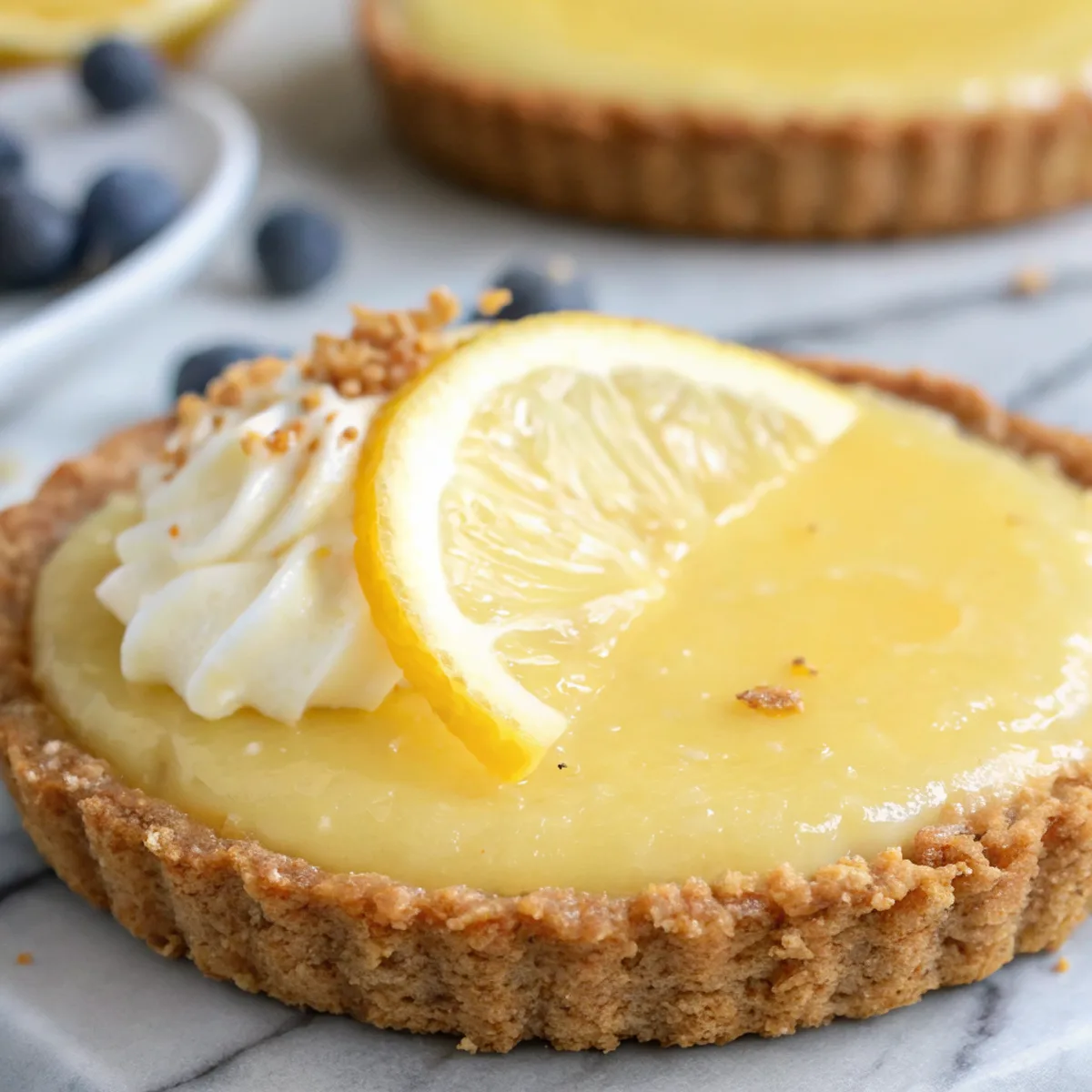
– Dollop lightly sweetened whipped cream or crème fraîche and sprinkle extra lemon zest.
– Top with toasted meringue for a lemon meringue-style presentation.
– Serve with fresh berries (raspberries or blueberries) for color and contrast.
– Pair with coffee or a light dessert wine for a simple, elegant finish.
More Helpful Notes
– If your Meyer lemons are small, measure the juice so you get a consistent acidity each time.
– For a very smooth, velvety curd, blend the strained curd briefly with an immersion blender before adding butter.
– Mini tarts set faster and make good party-sized portions.
– A thin layer of white chocolate on the shell before filling can add richness and help prevent sogginess.
Frequently Asked Questions
Meyer Lemon Pudding Tarts
Ingredients
Oat Cookie Crust
- 10 oz oat cookies (plain, not iced)
- 6 tablespoons unsalted butter, melted
- 1/8 teaspoon ground ginger
- pinch fine sea salt
Meyer Lemon Pudding
- 3 large egg yolks
- 3/4 cup whole milk
- 1/2 cup sweetened condensed milk
- 1/4 cup fresh Meyer lemon juice
- 1 tablespoon finely grated Meyer lemon zest
- 1/4 cup granulated sugar
- 2 tablespoons all-purpose flour, sifted
- pinch fine sea salt
- 1/2 teaspoon pure vanilla extract
Whipped Cream Topping & Finish
- 1 cup cold heavy whipping cream
- 1 tablespoon powdered sugar
- 1 teaspoon finely grated Meyer lemon zest (optional)
- as needed extra Meyer lemon zest or paper-thin lemon slices, for garnish
Instructions
Preparation Steps
- Heat oven to 325°F (165°C). Lightly grease six 4- to 4½-inch tart pans with removable bottoms and place them on a sheet pan.
- Make the crust: Pulse the oat cookies in a food processor to fine crumbs. Add melted butter, ground ginger, and a pinch of salt; pulse just until evenly moistened. Divide the mixture among the pans and press firmly across the bottoms and up the sides. Bake 6–8 minutes until fragrant and set. Cool completely on a rack.
- Start the pudding base: In a medium bowl, whisk the egg yolks and granulated sugar until glossy and slightly lightened, then whisk in the sifted flour until smooth (it will be thick).
- Warm the dairy: In a nonreactive saucepan, combine the whole milk and sweetened condensed milk. Heat over medium until steaming with small bubbles at the edges (3–4 minutes); do not boil.
- Temper and cook: While whisking the yolk mixture constantly, slowly pour in about half of the hot milk. Scrape everything back into the saucepan and cook over medium-low heat, whisking continuously, until thickened and a few slow bubbles break the surface, 3–5 minutes.
- Finish the flavor off the heat: Remove the pan from the burner and immediately whisk in the Meyer lemon juice, lemon zest, vanilla, and a pinch of salt. Strain through a fine-mesh sieve into a clean bowl to catch any tiny curds or zest threads.
- Quick-cool: Set the bowl of pudding over an ice bath and stir for 2–3 minutes to take the edge off the heat. Spoon the warm pudding into the cooled tart shells, tapping the pan gently to level. Press a piece of plastic wrap directly onto the surface of each tart and chill until set, 2–3 hours.
- Whip the topping: Beat the cold heavy cream with the powdered sugar (and lemon zest, if using) to medium-firm peaks. Dollop or swirl over the chilled tarts. Garnish with extra zest or a paper-thin Meyer lemon slice and serve cold.
Notes
Featured Comments
“Impressed! Clear steps and turned out amazing results. Perfect for busy nights.”
“Made this last night and it was family favorite. Loved how the clean came together.”
“New favorite here — family favorite. fresh catch was spot on.”
“Impressed! Clear steps and family favorite results. Perfect for busy nights.”
“New favorite here — turned out amazing. hearty was spot on.”
“This family favorite recipe was absolutely loved — the filling really stands out. Thanks!”
“This family-style recipe was will make again — the guilt-free really stands out. Thanks!”
“Made this last night and it was so flavorful. Loved how the charred came together.”
“Super easy and family favorite! My family asked for seconds. Saving this one.”
“This grilled recipe was so flavorful — the crunchy really stands out. Thanks!”