Classic Bouillabaisse Recipe
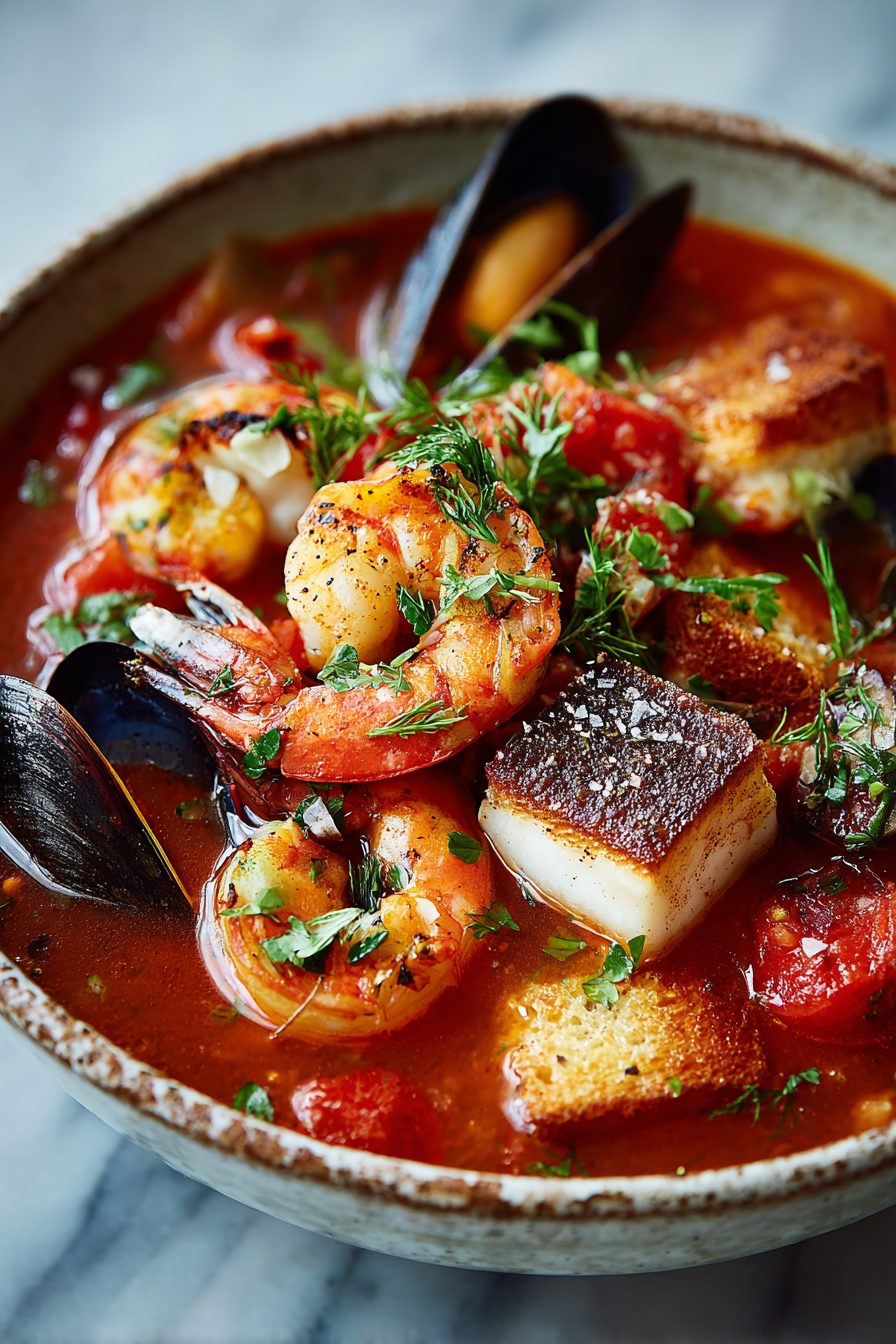
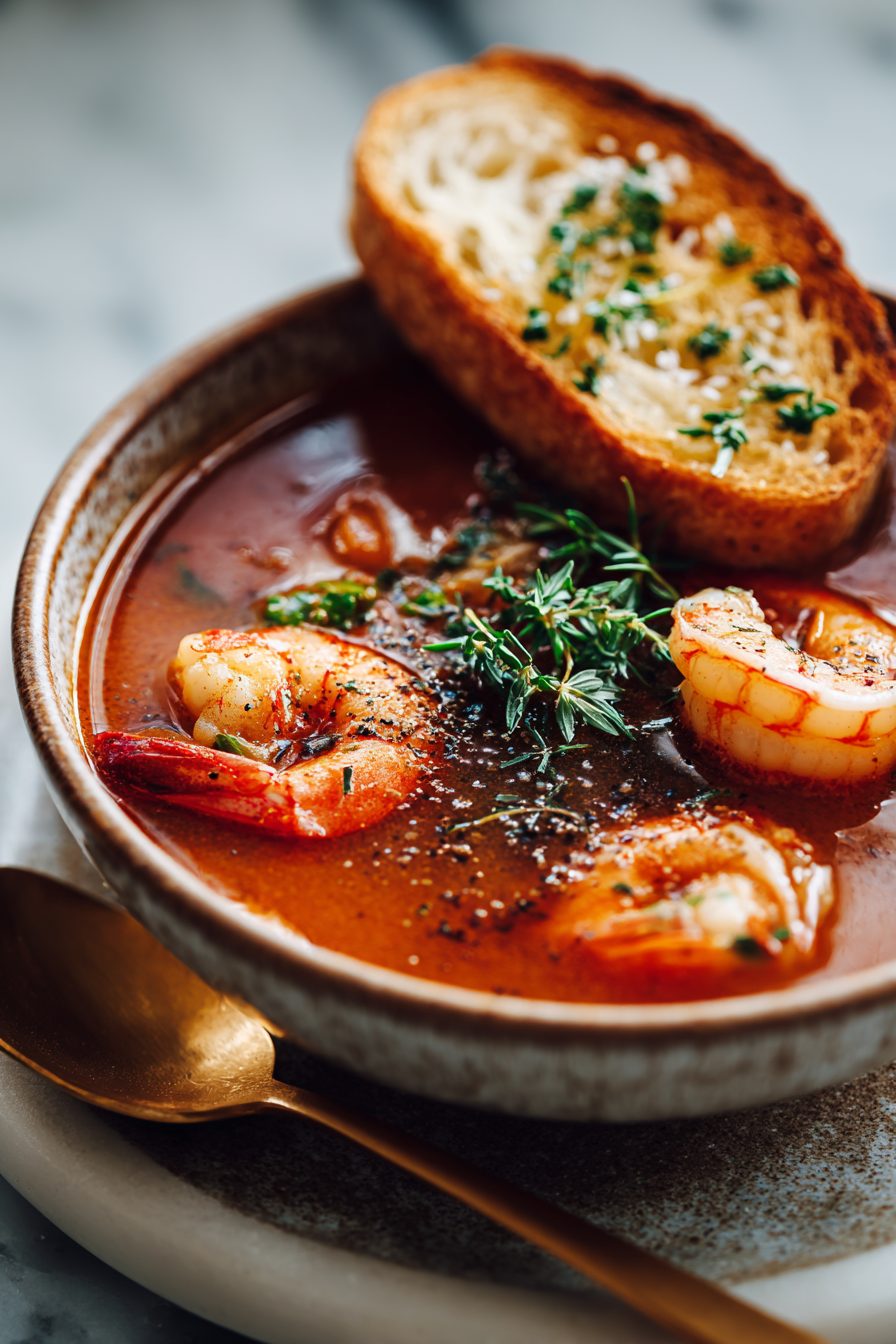
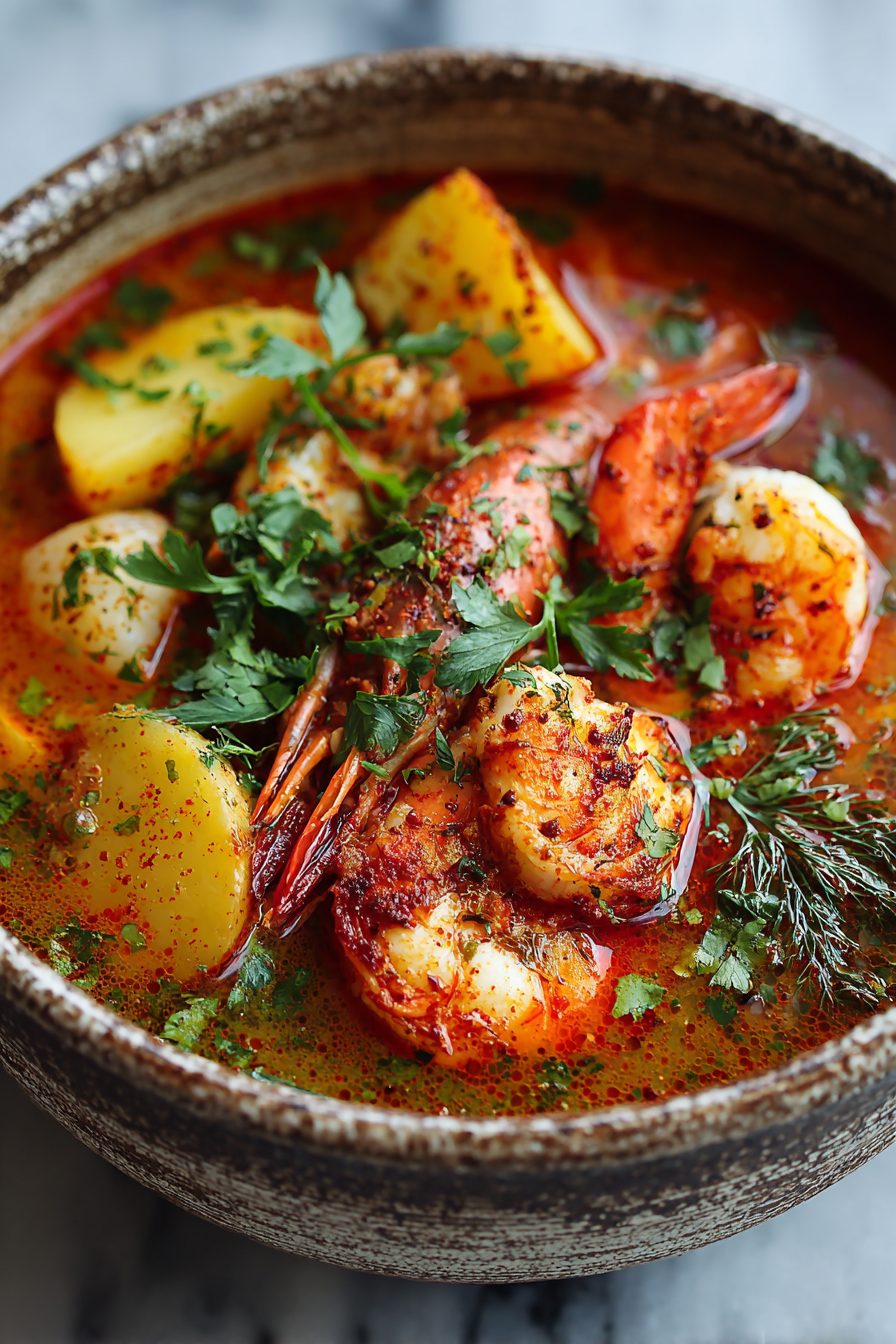
Bouillabaisse sounds fancy, but it’s basically the best fish soup you’ll ever meet: a sunny, saffron-and-fennel broth that hugs tender fish and shellfish, with a whisper of orange and a nudge of garlic. It’s the kind of cozy that feels coastal—steam on your windows, bread tearing at the table, everyone talking over each other. If you’ve only had it in a restaurant, I’m waving you into the kitchen. It’s simpler than it looks, wildly fragrant, and it makes you feel like the person who owns a striped boat and a cute market basket.
My husband calls this “the seaside snow day soup.” Translation: he’ll run every errand I ask as long as he knows bouillabaisse is landing for dinner. The kids? They mostly come for the dunking—garlicky rouille smeared on toast and dipped until their little bowls are somehow clean and also orangey-red. We started making this on Sundays after a very chaotic “what if we just throw all the seafood in?” experiment, and now it’s a whole thing: music loud, someone zesting an orange badly, a pot that smells like Marseille in July. It’s become our edible exhale.
Why You’ll Love This Classic Bouillabaisse Recipe
– Big flavor, light feel: rich, aromatic broth without the food coma.
– Flexible seafood: use what looks freshest—no one’s grading you on authenticity at your own table.
– That saffron-fennel-orange combo is straight-up perfume for your kitchen.
– One pot + crusty bread + a quick garlicky rouille = dinner hero status.
– Feels fancy, cooks friendly. It’s impressive without being exhausting.
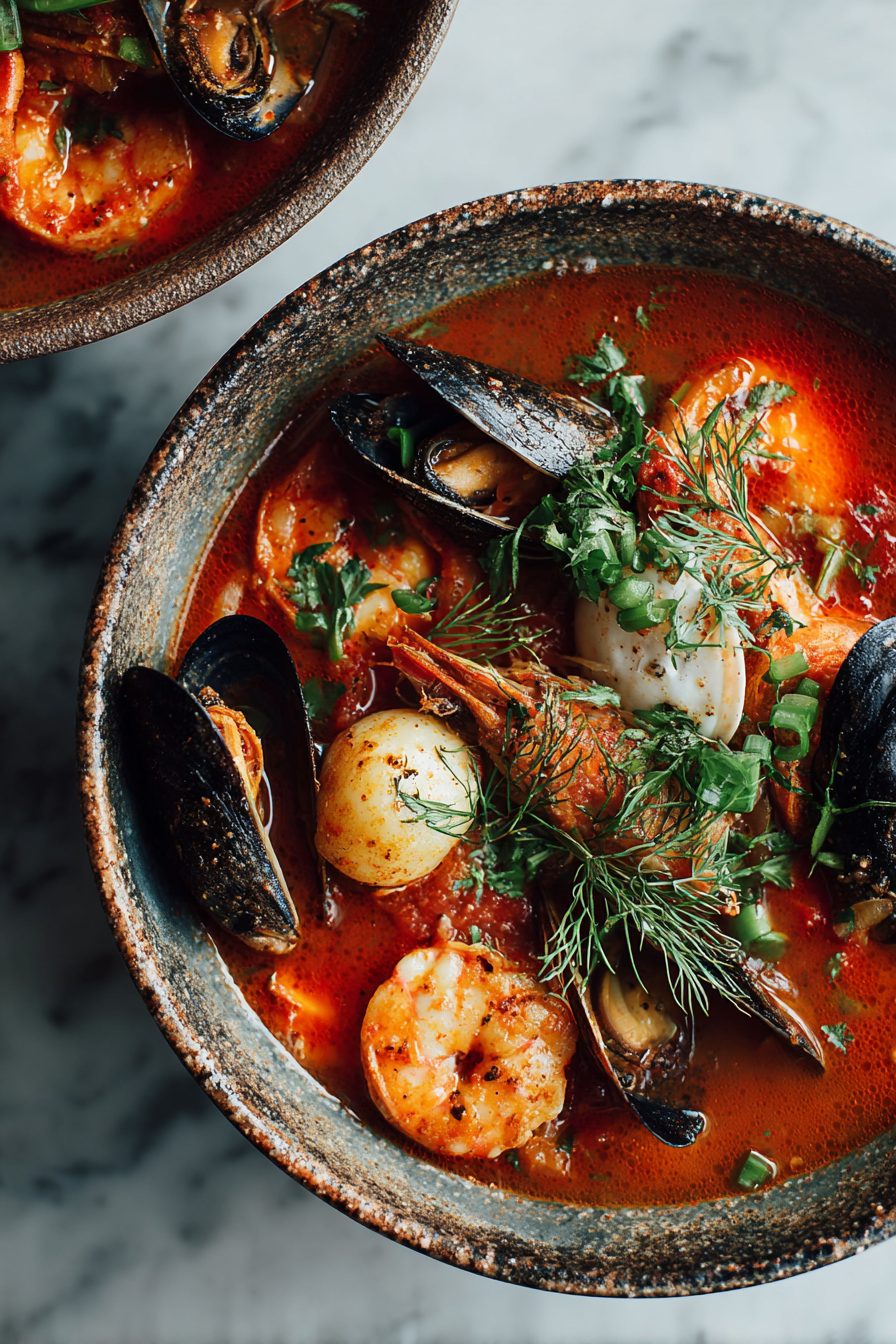
Kitchen Talk
MORE EASY DINNER RECIPES...


I used to tiptoe past the fish counter, terrified I’d ask for the wrong thing, until I finally said, “Can you give me a mix of whatever’s firm and not going to fall apart?” Boom—perfect. The day I skipped scrubbing the mussels because “they looked clean,” we crunched through grit and I almost cried into my soup. Lesson learned: a quick rinse and a peep for beards is non-negotiable. I once tried to fake saffron with extra paprika (listen, the jar was empty and the snow was knee-high). It was fine, but not magic—saffron is the magic. And if you’ve got a splash of white wine or pastis, it turns the broth from “yum” to “why is this so good?” Also: orange peel! Sounds weird if you’ve never done it, but it lifts everything like sunshine.
Warm, rustic and full of seaside flavor — this Classic Bouillabaisse recipe is approachable for a home cook and makes a satisfying, impressive bowl with bright saffron and a garlicky rouille to finish. Honest note: plan ahead for the broth and layer the seafood carefully so nothing overcooks, and you'll be rewarded with a truly cozy, restaurant-worthy stew.
MORE OF OUR FAVORITE…
Shopping Tips
– Seafood: Ask for a mix of firm white fish (think cod, halibut, monkfish) plus a handful of mussels/clams and shrimp. It should smell like the ocean, not fishy—walk away if it’s overly pungent.
– Vegetables: Grab a fresh fennel bulb (fronds still perky), leeks with lots of white/light green, and a good, heavy onion. Limp fennel = sad broth.
– Canned Goods: Whole peeled tomatoes give the best texture; San Marzano if you can. Low-sodium seafood stock, clam juice, or even chicken stock works—just control the salt yourself.
– Spices: Saffron threads matter here—buy a small packet and keep it sealed. A pinch of red pepper flakes and a bay leaf are nice backup singers.
– Fresh Herbs: Flat-leaf parsley and a few sprigs of thyme or a bay leaf bundle. Fresh herbs wake everything up at the finish.
– Citrus: One orange for zest/peel and a lemon for brightness. Heavy fruit = juicy fruit.
Prep Ahead Ideas
– Make the broth base a day ahead: cook down your aromatics and tomatoes with wine and saffron, then chill. The flavor deepens overnight.
– Clean and debeard mussels/clams and peel shrimp earlier in the day; keep everything on ice in the fridge.
– Chop fennel, leeks, and onion and stash in airtight containers with a damp paper towel to keep them crisp.
– Whip up the rouille or a quick garlicky aioli the night before; it holds beautifully.
– On a weeknight: in the morning, pull the seafood to the fridge to thaw (if frozen). At dinner, re-warm the base and slide in the seafood at the end.
Time-Saving Tricks
– Ask the fishmonger to cut fish into big chunks and scrub your mussels—game changer.
– Use bottled clam juice or a good seafood stock to fast-track that ocean-y depth.
– Frozen sliced leeks are a sneaky helper; they melt right into the pot.
– Bloom saffron in a splash of hot stock or water while your veggies soften—it spreads the color and aroma fast.
– Don’t rush the base; a few extra minutes there = you can cook the seafood lightning-quick at the end.
Common Mistakes
– Overcooking the seafood. Fish goes from tender to tragic fast—pull it the second it flakes. If it’s already over, ladle hot broth over it in the bowls rather than simmering more.
– Gritty shellfish. If you skip rinsing, they’ll tell on you. If it happens, strain the broth through a fine mesh or coffee filter and pretend it was “intentional rustic texture.”
– Scorched garlic. Bitter town. Keep the heat moderate and add garlic after the onions soften.
– Skipping saffron entirely. You can do it, but you’ll miss the signature. A tiny pinch goes a long way.
– Too salty broth. Start with low-sodium stock, taste as you go, and rescue with a splash of water and a squeeze of lemon.
What to Serve It With
– Thick slices of grilled baguette or sourdough, rubbed with a cut clove of garlic.
– Rouille or a garlicky aioli for dunking.
– Simple green salad with lemony vinaigrette to keep things bright.
– Roasted potatoes or oven fries if you want something hearty alongside.
Tips & Mistakes
– Heat: medium is your friend—gentle simmer, never a rolling boil.
– Pan size: wide Dutch oven wins; more surface area for the aromatics to sweeten.
– Salt in layers, not all at once; the broth concentrates as it cooks.
– Add delicate seafood last and in larger chunks so it won’t fall apart.
– If the broth tastes flat, it needs acid—lemon, a splash of wine, or a tiny dash of vinegar.
Storage Tips
Leftovers tuck into the fridge for up to 2 days—store the broth and seafood together only if everything is just-cooked; otherwise, keep seafood separate and re-warm gently in the broth. Reheat low and slow so the fish doesn’t toughen. Cold bouillabaisse straight from the fridge? I’ve done it, no shame—it’s like a fancy seafood gazpacho. Also an elite breakfast with a fried egg and toast. I don’t love freezing the finished stew (shellfish texture goes weird), but the broth alone freezes like a dream for a month.
Variations and Substitutions
– Use what you’ve got fish-wise: cod, haddock, snapper, halibut, or monkfish. Skip shellfish if needed and double up on firm fish.
– No saffron? A pinch of turmeric gives color (not the same flavor) and a little smoked paprika adds depth.
– Wine/pastis-free? Add a splash of apple cider vinegar or extra lemon at the end for brightness.
– Tomato-light version: reduce the tomatoes and lean into fennel and orange peel—it’s softer but still lovely.
– Rouille cheat: mayo + grated garlic + lemon + a dab of harissa or chili paste. Fast and convincing.
– Gluten-free is easy—serve with GF baguette or crispy roasted potatoes for dunking.
Frequently Asked Questions
Classic Bouillabaisse Recipe
Ingredients
Main Ingredients
- 2 tbsp extra-virgin olive oil
- 1.5 cup chopped yellow onion
- 1 cup sliced leeks (white and light green parts)
- 1 cup diced fennel bulb
- 2.5 tsp minced garlic
- 2 tbsp tomato paste
- 2.5 cup crushed tomatoes
- 1 cup dry white wine
- 6 cup seafood or fish stock low-sodium if possible
- 2 tbsp pastis or anise liqueur optional but traditional
- 0.5 tsp finely grated orange zest
- 0.25 tsp saffron threads, lightly crushed
- 1 tsp dried thyme
- 0.5 tsp smoked paprika optional heat and depth
- 0.25 tsp red pepper flakes adjust to taste
- 2 tsp kosher salt plus more to taste
- 1 tsp freshly ground black pepper
- 2 cup diced Yukon gold potatoes 1-inch pieces
- 1.5 lb firm white fish fillets, cut into chunks such as cod, halibut, or snapper
- 1.5 lb mussels, scrubbed and debearded
- 1 lb littleneck clams, scrubbed
- 1 lb large shrimp, peeled and deveined
- 0.5 cup chopped fresh parsley plus extra for garnish
- 0.25 cup fresh lemon juice to finish
- 0.5 lb crusty bread, sliced for serving
Instructions
Preparation Steps
- Warm the olive oil in a large heavy pot over medium heat.
- Soften onion, leeks, and fennel with a pinch of salt, stirring until translucent.
- Stir in garlic and tomato paste. Cook until fragrant and slightly darkened.
- Deglaze with white wine. Simmer a couple of minutes to reduce slightly.
- Add crushed tomatoes, stock, pastis, orange zest, saffron, thyme, paprika, and red pepper flakes.
- Bring to a gentle boil, then add potatoes. Simmer until just tender, about 12–15 minutes.
- Season the broth with salt and black pepper to taste.
- Add clams and mussels. Cover and cook until they begin to open, about 5 minutes.
- Gently nestle in fish and shrimp. Simmer uncovered until fish is opaque, 4–6 minutes.
- Discard any unopened clams or mussels. Stir in lemon juice and half the parsley.
- Ladle into warm bowls. Top with remaining parsley and serve with crusty bread.
Notes
Featured Comments
“New favorite here — will make again. zesty was spot on.”
“Super easy and family favorite! My family asked for seconds. Saving this one.”
“Made this last night and it was absolutely loved. Loved how the anytime came together.”
“Impressed! Clear steps and family favorite results. Perfect for busy nights.”
“Super easy and will make again! My family asked for seconds. Saving this one.”
“Made this last night and it was turned out amazing. Loved how the flavorful came together.”
“Made this last night and it was turned out amazing. Loved how the fluffy came together.”
“Made this last night and it was absolutely loved. Loved how the comforting came together.”
“Made this last night and it was family favorite. Loved how the light came together.”
“Impressed! Clear steps and so flavorful results. Perfect for busy nights.”